All Yono Games App: A Complete Guide to the Android Game Catalog
The Android gaming scene in India moves fast, and keeping track of every new title, update, and package detail can feel like a full-time job. That is exactly where the All Yono Games App catalog becomes genuinely useful. Instead of jumping between scattered links, unclear mirrors, and outdated version numbers, a well-organised catalog hub lets you compare entries in one place before you decide what to review or install. This guide walks through what the All Yono Games App ecosystem actually offers, how catalog listings are structured, and what a careful Android user should check before sideloading anything.
What the All Yono Games App Catalog Actually Is
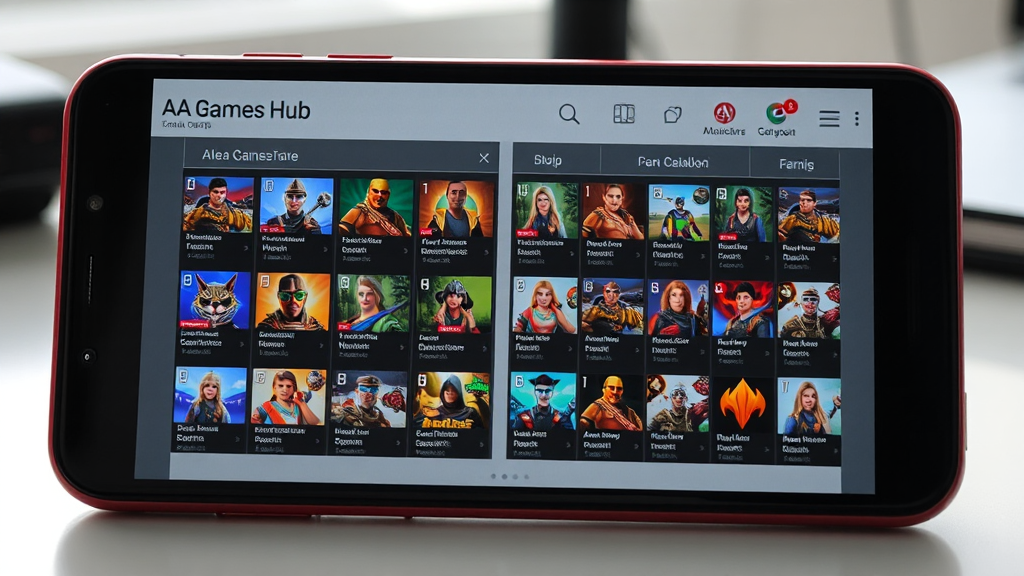
At its core, the All Yono Games App is not a single game but a family of Android game listings that are grouped together for easier browsing. A catalog website such as AA Games Hub collects these entries and presents them in a structured grid: each card typically shows the game name, a version label, an approximate file size, and a short note about where the package originates. That structure matters because Android sideloading is rarely about one file. It is about matching the right version of a package to the right device, storage capacity, and Android build.
Because the catalog is browsable rather than a single download page, users can scan multiple entries quickly. You can look at one listing, note its version number, then move to a neighbouring entry and compare size and compatibility. For anyone who has ever downloaded an APK only to discover it was two versions behind or too large for their remaining storage, this comparison-first approach saves real time.
Why Package Details and Version Comparison Matter
The most practical feature of any sideload catalog is the package detail view. When you open an individual entry, you generally want to know four things: the package name, the version string, the file size, and any source notes attached to the listing. These four data points answer most of the questions that come up before installation.
Version strings are especially important. Android packages are updated frequently, and a catalog that clearly labels versions lets you avoid installing an outdated build that may crash or lack features. File size is the second checkpoint. If a listing is 180 MB and your phone has 120 MB free, you already know the install will fail — no need to waste a download. Source notes are the third layer: they tell you where the entry was indexed from and whether it is a fresh upload or an older mirror.
Size comparison across similar entries is also useful. Two listings for closely related games might differ by 40 or 50 MB because one includes extra assets or a newer engine build. Seeing them side by side in a catalog grid makes that difference visible instead of hidden behind separate download pages.
How to Browse the Catalog Without Getting Lost
A large catalog can be overwhelming if you approach it without a plan. A simple browsing routine keeps things manageable:
Start with the category or hub view. Most catalog sites group entries by type, popularity, or recency. Scanning the hub first gives you a sense of what is available before you commit to a specific listing.
Shortlist two or three entries. Instead of opening ten tabs, pick a small set and compare them directly. Check version, size, and source notes for each.
Check the 18+ gate if it applies. Some catalog sections are age-gated, and the site will ask you to confirm you are an adult before showing those listings. This is a standard compliance step, not a hidden trap — just read the prompt and proceed only if it applies to you.
Note the source before you download. A listing that clearly states its origin is easier to trust than one with no notes at all. If a source note is missing, treat that as a yellow flag and look for an alternative entry.
What to Check Before Installing Any Android Package
Sideloading is a normal part of Android use in India, but it rewards caution. Before you install anything from a catalog listing, run through a short checklist:
Storage headroom. Keep at least 20–30% of your storage free after installation. Android needs breathing room for cache and updates, and a phone that is 98% full will feel sluggish even with a light game.
Android version compatibility. A package built for a newer Android release may not run on an older device. Check your Android version in Settings before you commit to a download.
Permissions. When you install an APK, review the permissions the app requests. A simple game should not need access to your contacts or SMS. If it does, that is a reason to pause.
Source reputation. Catalog entries that include clear source notes are easier to evaluate. If the listing is vague, consider whether a different entry in the same catalog offers better transparency.
Backup your data. Before installing any new package, make sure your important files are backed up. This is a habit worth keeping regardless of where the file came from.
Comparing Catalog Entries: A Practical Example
Imagine you are looking at two listings for the same game family. Entry A shows version 4.2, size 145 MB, and a source note saying it was indexed from a recent upload. Entry B shows version 3.8, size 132 MB, and no source note. On the surface, Entry B is smaller and might seem easier to download. But Entry A is two versions newer and has a clearer origin. For most users, Entry A is the better choice even though it is slightly larger, because it is more likely to run correctly and receive future updates.
This is the kind of decision a catalog is designed to support. Without version and size metadata in one view, you would have to guess. With it, you can make a reasoned choice in under a minute.
Common Mistakes to Avoid When Using Sideload Catalogs
Even experienced Android users slip into bad habits. Here are the most common ones and how to avoid them:
Downloading from the first listing you see. Always compare at least two entries before choosing. The first result is not always the best one.
Ignoring version numbers. A version string is not decoration. It tells you how current the package is and whether it matches the features you expect.
Skipping the size check. Downloading a file larger than your free storage wastes time and data. Check the size first.
Overlooking source notes. Source notes are the catalog’s way of telling you where an entry came from. Treat them as part of the listing, not optional reading.
Installing everything at once. Install one package, test it, and only then move to the next. This makes it easier to identify which app caused a problem if something goes wrong.
How a Catalog Hub Fits Into Your Android Routine
For regular sideloaders, a catalog hub becomes a reference point rather than a one-time visit. You check it when a new version of a game you follow is released, when you are curious about a title you have not tried, or when you need to confirm a package detail before installing. Over time, you build a mental map of which entries are reliable and which ones to skip.
The value of a hub like AA Games Hub is that it centralises that information. Instead of remembering which site had the latest version of a particular game, you can return to the same catalog and check the listing directly. The version, size, and source notes are all in one place, which reduces the friction of every download decision.
Frequently Asked Questions
What is the All Yono Games App catalog?
It is a grouped collection of Android game listings presented on a catalog website. Each entry typically includes a version number, file size, and source notes so users can compare packages before downloading.
Do I need to be 18 or older to browse the catalog?
Some sections of a catalog may be age-gated, and the site will ask you to confirm you are an adult before showing those listings. If a gate appears, read the prompt and proceed only if it applies to you.
How do I know which version of a game to download?
Check the version string in the listing and compare it with the version you currently have or the one you need. Newer versions usually include fixes and feature updates, but they may also be larger in size.
Why does file size matter before downloading?
File size tells you how much storage the package will consume. If the file is larger than your available free space, the install will fail. Comparing sizes across listings also helps you spot entries that include extra assets.
Are source notes important in a catalog listing?
Yes. Source notes indicate where an entry was indexed from and whether it is a recent upload or an older mirror. Listings with clear source notes are easier to evaluate than those without.
Can I install multiple games from the catalog at once?
You can, but it is better to install one at a time and test each before moving on. That way, if something goes wrong, you know which package caused the issue.
Final Thoughts
The All Yono Games App catalog is a practical resource for Indian Android users who want to compare game packages before sideloading. By paying attention to version numbers, file sizes, and source notes, you can make faster and safer decisions without relying on guesswork. Whether you are checking a single listing or browsing the full hub, the habit of comparing before downloading is what keeps the process smooth. Keep your storage in check, review permissions, and treat every listing as a decision point rather than a reflex — and the catalog will serve you well.