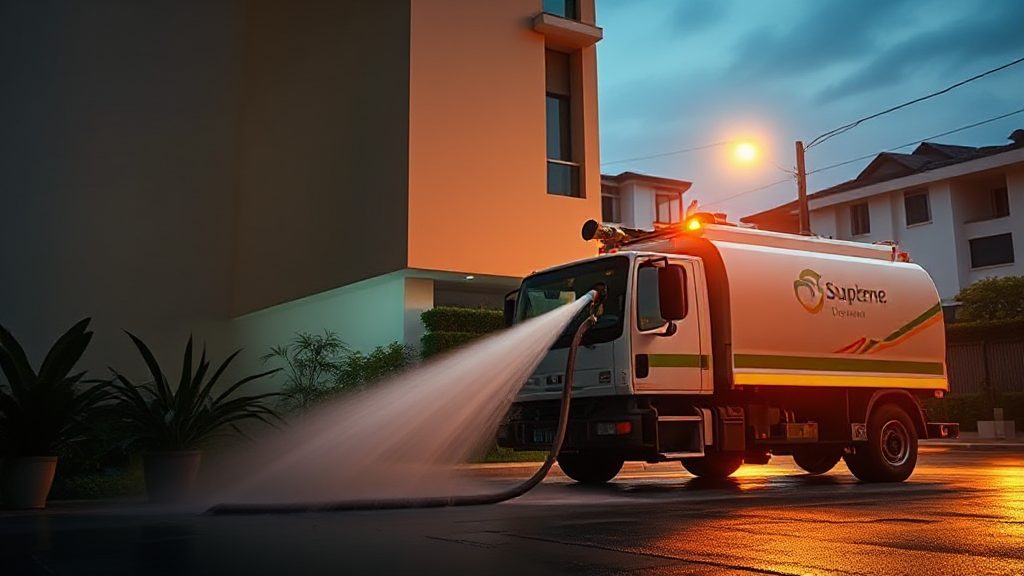
Fossa Cleaning for Older Ibirapuera Homes: What to Ask Before the Truck Arrives
The drain in the laundry sink has been slow for weeks, and now there is a faint, sweetish smell near the back wall of the yard. If you live in one of the older houses on the edge of Ibirapuera, still connected to an on-site septic system rather than the main sewer, this is the moment to stop guessing. A desentupidora em Ibirapuera São Paulo SP handles both the emergency call and the routine fossa cleaning, but the questions you ask before the truck arrives decide whether the job is done properly or just postponed.
This is a Q&A-driven explainer for homeowners who inherited an older system and never received a manual. It covers how often a fossa should be cleaned, where the waste legally goes, and what a crew should be able to tell you before they open the lid.
Why older Ibirapuera properties still depend on a fossa
Many houses built decades ago in the streets around Ibirapuera Park were never connected to the public sewage network. They rely on a fossa séptica, a buried tank that separates solids from liquids and lets the liquid drain into a soak pit or infiltration field. When it works, you barely notice it. When it fills with sludge, the symptoms appear far from the tank itself: slow drains, gurgling toilets, damp patches in the garden and that persistent smell after rain.
The mistake most homeowners make is treating a full tank as a blockage. Pouring chemical drain cleaner into a slow sink does nothing for a fossa that needs pumping, and it can harm the bacterial balance the system depends on. A slow drain plus a yard smell usually points to the tank, not the pipe.
Older systems also have older lids, often buried under paving, grass or a layer of concrete. Finding the inspection cover is part of the job, and a company that has worked in the neighbourhood will know the typical layouts. That local familiarity is one reason residents search for a desentupidora Ibirapuera rather than a firm from the other side of the city.
How often should a fossa be cleaned?
There is no single number that fits every house, because tank size, household size and water use all matter. A practical rule for a family of four in a modest older home is to have the tank inspected every year and pumped when the sludge layer reaches roughly a third of the tank depth. Homes with high water use, older concrete tanks or frequent guests may need pumping sooner.
Waiting for a backup is the expensive way to learn the schedule. A tank that overflows pushes solids into the soak pit, and clearing that secondary damage costs more than a routine pump-out. Regular inspection is cheaper than emergency excavation.
Signs the tank is already overdue
- Drains across the house are slow at the same time, not just one fixture.
- A sewage smell lingers in the yard, especially after rain or in the evening.
- The ground above the tank or soak pit is unusually soft or greener than the rest of the lawn.
- Toilets gurgle when the washing machine empties.
If two or more of these appear together, call for an assessment rather than waiting for the next scheduled service.
What to ask the crew before the truck arrives
The right questions protect your property and confirm the company knows what it is doing. Ask them on the phone, before anyone arrives, and note the answers.
Questions about the tank and the job
- Will you locate and expose the inspection lid, or do I need to do that first?
- How do you measure the sludge and scum layers before pumping?
- Do you check the soak pit or infiltration field at the same time?
- What happens if the tank is damaged or the lid is cracked?
Questions about disposal and paperwork
This is the part homeowners skip, and it matters. Ask where the collected waste will be taken and whether you will receive a disposal receipt or manifest. Legal disposal at a licensed treatment facility is non-negotiable. A crew that cannot explain where the waste goes is a crew to avoid.
Also ask whether the price quoted includes pumping, transport and disposal, or whether those are charged separately. A low headline price that excludes disposal is not a bargain.
Questions about access and protection
Ask how the hose will reach the tank, whether garden walls or paving need to be moved, and how the team will protect floors and plants. A professional crew will discuss access before arrival so the job does not stall at the gate.
For anything beyond routine pumping, such as a collapsed pipe or a blocked connection, the same team can bring in the right equipment. A desentupidora Ibirapuera São Paulo SP that offers hydrojetting and emergency call-outs can handle the follow-on problem without you starting the search again.
What a proper fossa cleaning actually involves
A thorough service is more than sucking out the liquid. It starts with locating the tank and opening the inspection cover safely. The technician measures the sludge and scum layers to confirm the tank needs pumping, then removes the contents with a vacuum truck. After pumping, the tank should be checked for cracks, root intrusion and a blocked outlet, and the soak pit should be inspected for signs of saturation.
The waste is then transported to a licensed treatment facility, and you should receive documentation confirming disposal. Finally, the lid is reseated and the area made safe. Skipping the inspection step is how small cracks become expensive repairs.
What it should not involve
Be wary of anyone who offers to “treat” the tank with additives instead of pumping it, or who proposes dumping waste somewhere other than a licensed facility. Both are shortcuts that create problems later. A reputable company will explain the process plainly and put the disposal terms in writing.
Costs, timing and a closing checklist
Pricing varies with tank size, access difficulty and how full the tank is, so treat any quote given without a look at the property as an estimate only. Routine pumping is usually the cheapest option; emergency call-outs, excavation or soak pit repairs add cost. Ask for a written quote that itemises pumping, transport and disposal, and confirm whether a follow-up inspection is included.
Timing matters too. Schedule cleaning in dry weather where possible, and avoid the days right after heavy rain when the ground is soft and access is harder. If you smell sewage inside the house, treat it as urgent rather than waiting for a convenient date.
Before the truck arrives, confirm:
- The company can locate and expose the tank lid.
- The quote includes pumping, transport and licensed disposal.
- You will receive a disposal receipt or manifest.
- The team will inspect the tank and soak pit, not just pump.
- Access routes and protection for paving and plants are agreed.
Keep the receipt and note the date of each service. A simple log helps you spot when the tank is filling faster than usual and gives the next crew a reliable history.
Frequently asked questions
How do I know if my property has a fossa or is connected to the sewer?
Check your water bill and any property documents, or look for an inspection lid in the yard. If the house predates the local sewer connection and no conversion record exists, assume a fossa until a technician confirms otherwise.
Can I use chemical drain cleaner while waiting for the cleaning?
Avoid it. Chemicals can damage the tank’s bacterial balance and do not solve a full-tank problem. Mechanical clearing or professional pumping is the correct fix.
How long does a routine fossa cleaning take?
Most routine pump-outs take a couple of hours, depending on access and tank size. Jobs that require locating a buried lid or repairing a cracked cover take longer, so ask for a realistic time estimate when you book.
What should I do if sewage backs up into the house?
Stop using water, keep people away from the affected area and call an emergency service. A backup inside the home usually means the tank or the line to it is blocked and needs immediate attention.